Liquid Roofing
Thermal insulation for liquid waterproofing systems.
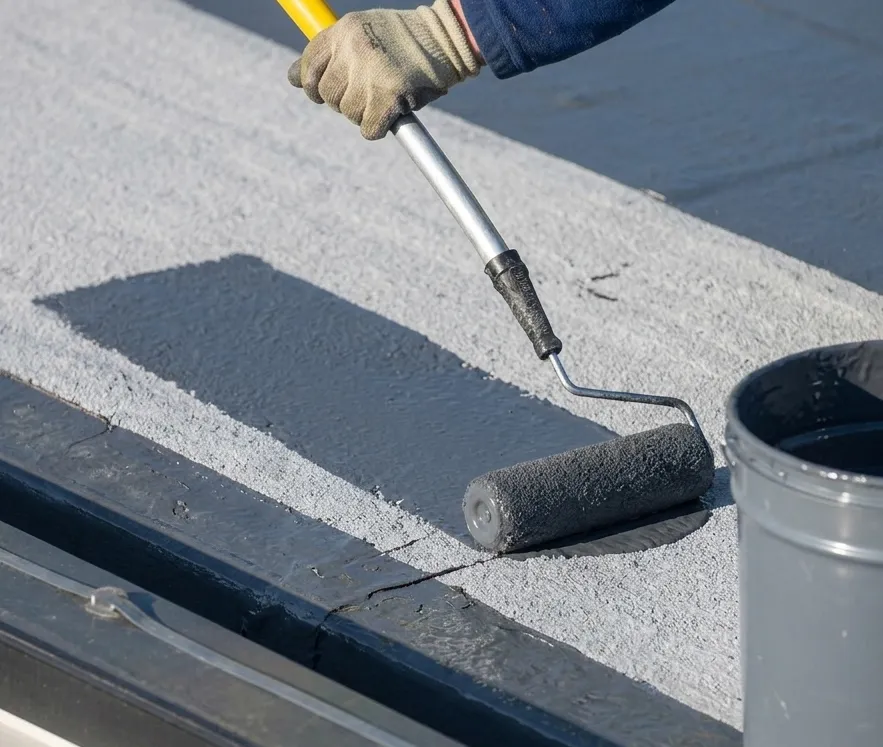
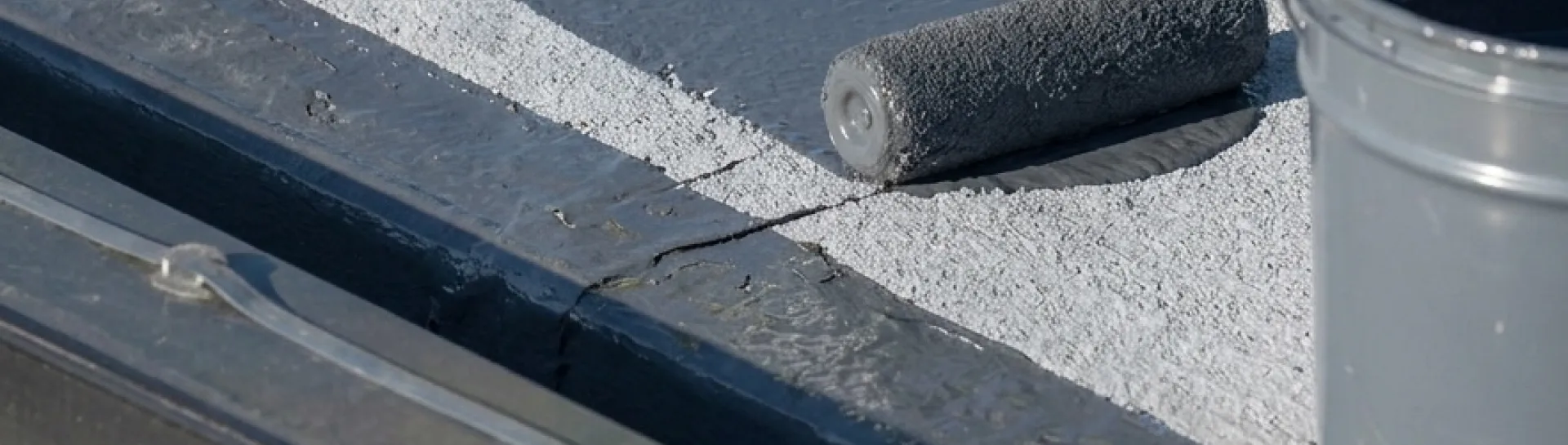
Liquid roofing has grown rapidly in popularity across both new build and refurbishment projects, offering a seamless, fully adhered waterproofing solution that is particularly well suited to complex roof geometries. Applied as a cold-liquid coating that cures to form a continuous, monolithic membrane, liquid waterproofing systems eliminate the laps and joints that are common failure points in other systems — making them an excellent choice for roofs with multiple penetrations, upstands, rooflights, and irregular detailing.
As with any warm flat roof, the performance of a liquid system depends heavily on the insulation beneath it. Gradient's PIR insulation boards provide the flat, stable, high-strength substrate that liquid waterproofing manufacturers require, supporting a reliable installation and long-term roof performance.
Why the substrate matters in liquid roofing
Liquid waterproofing coatings conform precisely to the surface they are applied to. Any deviation in the insulation layer — whether from board deflection, surface irregularity, or joint movement — will be reflected in the membrane above, potentially leading to uneven coating thickness, stress concentrations, or adhesion failure.
For this reason, liquid waterproofing manufacturers typically specify minimum compressive strength and surface flatness requirements for the insulation substrate. Gradient boards are manufactured to meet these demands, ensuring a consistent, even base across the entire roof area and reducing the risk of callbacks or system failures.