
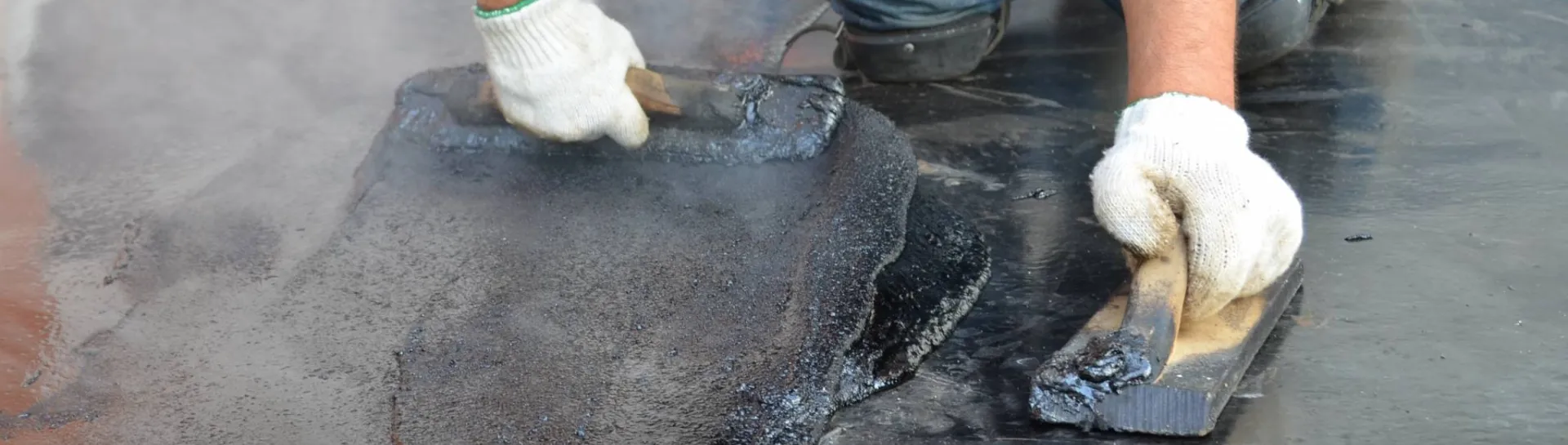
Mastic Asphalt
Thermal insulation boards ideally suited to mastic asphalt applications.
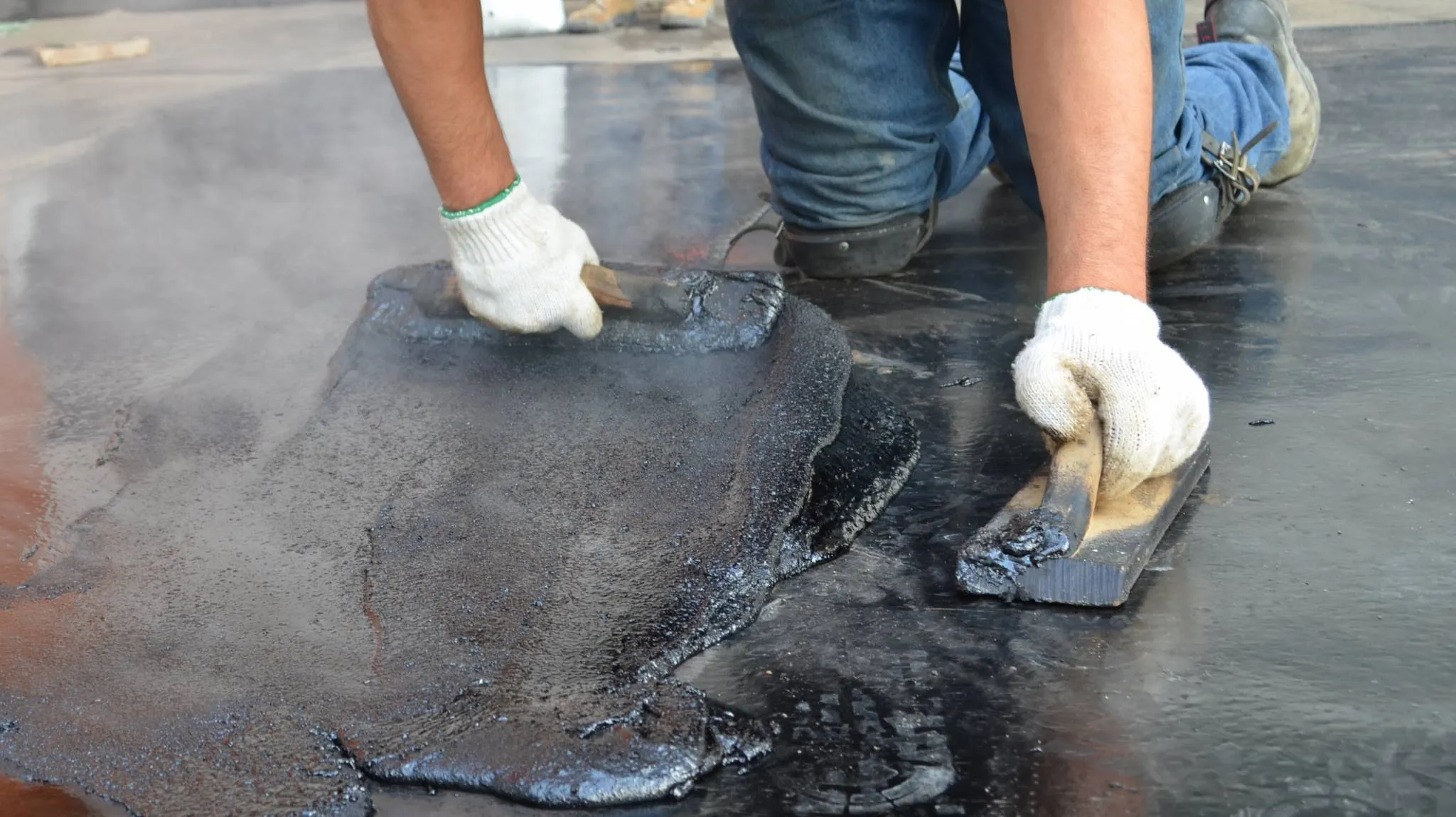
Mastic asphalt is one of the most durable and long-established waterproofing systems available for flat roofs, with a proven track record spanning well over a century of use on UK buildings. Applied hot as a poured or hand-floated material, it cures to form a seamless, jointless membrane that offers exceptional resistance to water ingress, abrasion, and heavy foot traffic. It remains a preferred choice for roofs that require a robust, long-life solution — particularly on public buildings, car parks, podium decks, and high-specification commercial projects.
Achieving the full potential of a mastic asphalt roof requires the right insulation substrate beneath it. Gradient's PIR insulation boards are designed to withstand the demands of hot-applied asphalt, providing the compressive strength, thermal stability, and surface consistency that the system requires.
The challenges of insulating beneath mastic asphalt
Mastic asphalt is applied at temperatures typically between 200°C and 230°C, which places significant demands on the insulation below. The board must remain dimensionally stable under this thermal load, neither softening nor outgassing in a way that could cause bubbling or adhesion failure in the asphalt above.
Once cured, the asphalt layer is also considerably heavier than most other waterproofing membranes, placing sustained compressive loads on the insulation throughout the life of the roof. On trafficked roofs — such as accessible terraces, car parks, or podium decks — these loads increase further, making compressive strength a primary specification requirement.
Key benefits of Gradient insulation for mastic asphalt
High compressive strength — Gradient boards offer compressive strength of ≥150 kPa, providing reliable support beneath the weight of the asphalt layer and any imposed loads from traffic or paving above.
Thermal stability — Gradient PIR boards maintain their structural integrity during hot asphalt application, resisting softening or deformation that could compromise the finished surface.
Dimensional stability — Low thermal movement ensures the insulation layer remains flat and stable throughout the application process and over the long term, preventing stress in the asphalt membrane above.
Flat, consistent surface — Tight manufacturing tolerances produce a smooth, even board surface that supports even asphalt application and a consistent finished thickness across the roof area.
Wide range of thicknesses — Boards are available in multiple thicknesses to allow U-value targets to be met within the constraints of the overall build-up depth.
Tapered insulation options — Gradient's bespoke tapered insulation service can be used to incorporate drainage falls beneath the asphalt layer, helping to manage surface water effectively and extend the life of the waterproofing.
Suitable products for application:
Gradient's Powerdeck F is a proven choice for mastic asphalt applications, offering the compressive strength and dimensional stability required to support a hot-applied waterproofing system. Its glass tissue facers provide a stable bonding surface and help to resist the mechanical stresses associated with asphalt application.
For projects where additional protection against heavy point loads is required — such as trafficked podium decks or roof terraces with paving — Gradient's technical team can advise on the most appropriate board specification and build-up design.
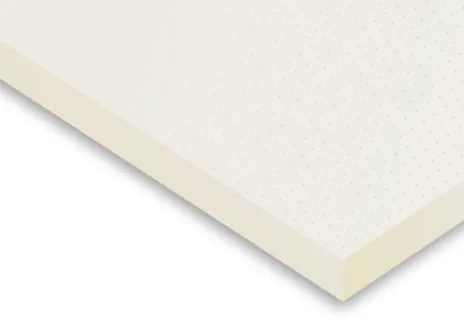
Powerdeck F
Powerdeck® F is compatible with multiple waterproofing systems, benefiting from a compressive strength of >150 kPa and dimensional stability. This ensures the flat surface finish required for...